
Blog
Sizing wall art to the wall it is going on

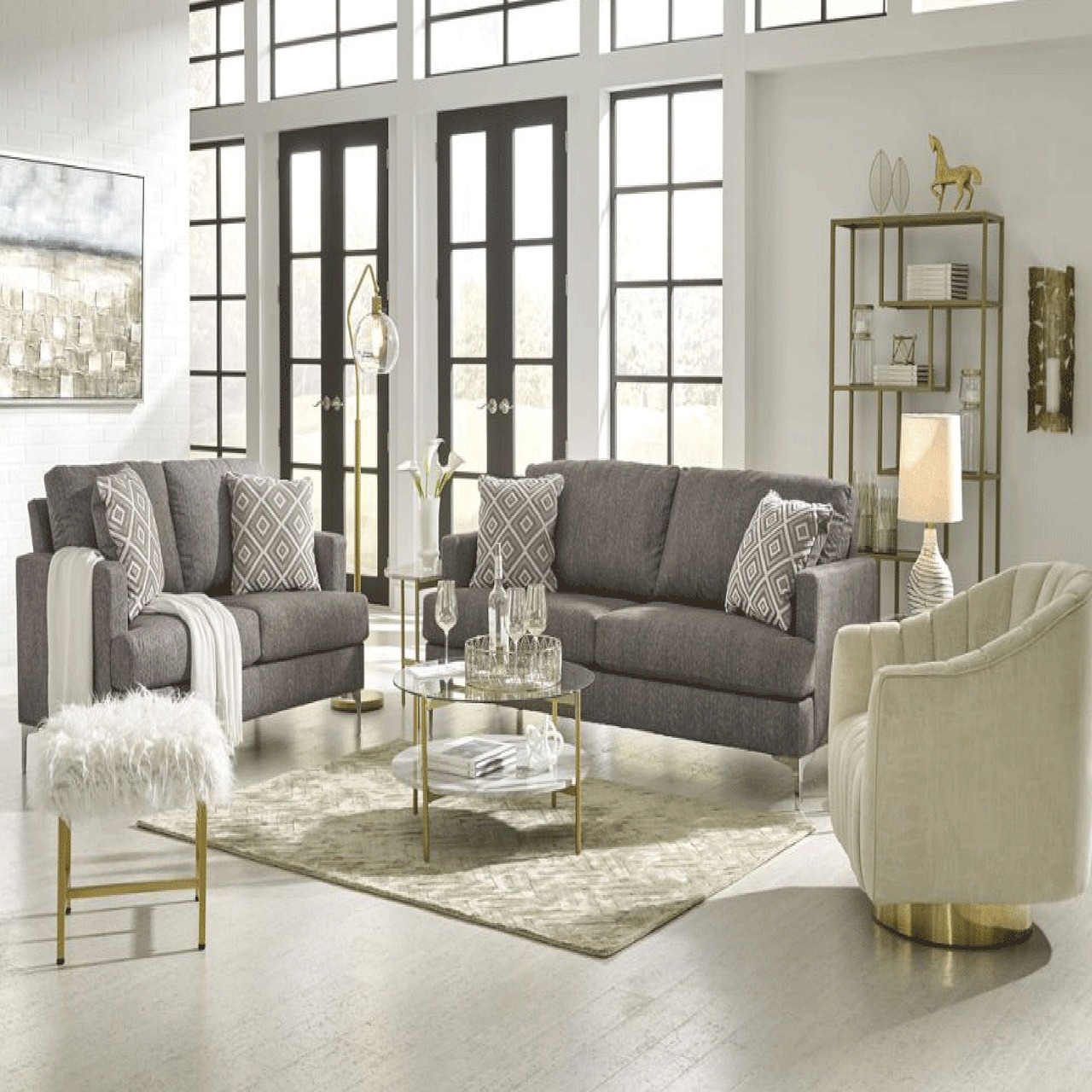
Almost every room with art that “does not look right” has art that is too small for the wall. It is an easy mistake because pieces are chosen in a shop, at arm’s length, rather than against the wall they will occupy.
The two-thirds rule over furniture
A piece or a group hung above a sofa, a bed or a console should span roughly two thirds to three quarters of the furniture’s width. Narrower than that and it looks marooned; wider and it overwhelms the piece below.
For a 84 inch sofa, that means art or a group spanning about 56 to 63 inches. A single 24 inch canvas above it will always look wrong regardless of how good the image is.
Sixty to seventy-five percent of an empty wall
On a wall with no furniture, aim for the art covering about sixty to seventy-five percent of the usable width. Usable means between the architectural features – the edge of a doorway, the start of a window reveal – not the full wall.
Leaving equal margins on both sides matters more than the exact percentage.
Height: the 57-inch centre
Museums hang at a centre height of around 57 inches because it is average eye level. In a domestic room this works well and is a reliable default. Rooms where people are usually seated – a dining room, a den – can go a few inches lower.
The exception is a stairwell, where the centre should follow the diagonal of the stair rather than a fixed height.
Sets read as one object
A set of three or four pieces is measured as a group, including the gaps between them. That is why a set of four 7 by 16 inch panels can hold a wall that a single 16 inch piece could not.
When calculating, add the piece widths plus the intended spacing. That total is the number to compare against the furniture below.
Scale against ceiling height
In a room with a nine or ten foot ceiling, art can and should be larger. In a standard eight foot room, very tall pieces crowd the space. Vertical pieces emphasise height; horizontal ones emphasise width, which is usually what a small room needs.
This is why a wide, low arrangement works in most apartments and a tall single panel often does not.
Frames add to the dimension
A stated size may be the image size or the outer frame size. On a gallery wall the frame dimension is the one that matters for spacing. Check which the listing is quoting – both conventions are in use.
A wide mount and a substantial frame can add six inches to each dimension, which changes the arrangement entirely.
Test with tape before committing
Mark the outline of the intended piece on the wall with low-tack tape and leave it for a day. Walking past it a few times tells you more than any amount of measuring, and removing tape is free.
This is particularly worth doing for anything large or expensive.
Small pieces need a job
A small piece can work alone if it has a reason to be there – in an alcove, above a light switch, at the top of a stair. On a large open wall it needs company. There is nothing wrong with small art; there is something wrong with small art on a big empty wall.
Grouping several small pieces closely is the usual answer.
Buying for the wall, not the shop
Measure the wall, subtract the architectural features, apply the ratio, and take that number with you. It removes the single most common decorating mistake and takes five minutes with a tape measure.
Every piece we list carries its measured outer dimensions, and every set states the number of elements and their individual sizes, so the arithmetic can be done before ordering.
Sizing checklist
- Over furniture: art spans two thirds to three quarters of its width
- Empty wall: art covers sixty to seventy-five percent of usable width
- Centre height around 57 inches, lower in seated rooms
- For sets, add piece widths plus the gaps between them
- Horizontal arrangements suit standard eight-foot ceilings
- Check whether a stated size is image or outer frame
- Tape the outline on the wall and live with it for a day
- Group small pieces rather than isolating them
- Take the wall measurement with you before buying