

Blog
Metal, wood and resin wall pieces: what each material needs

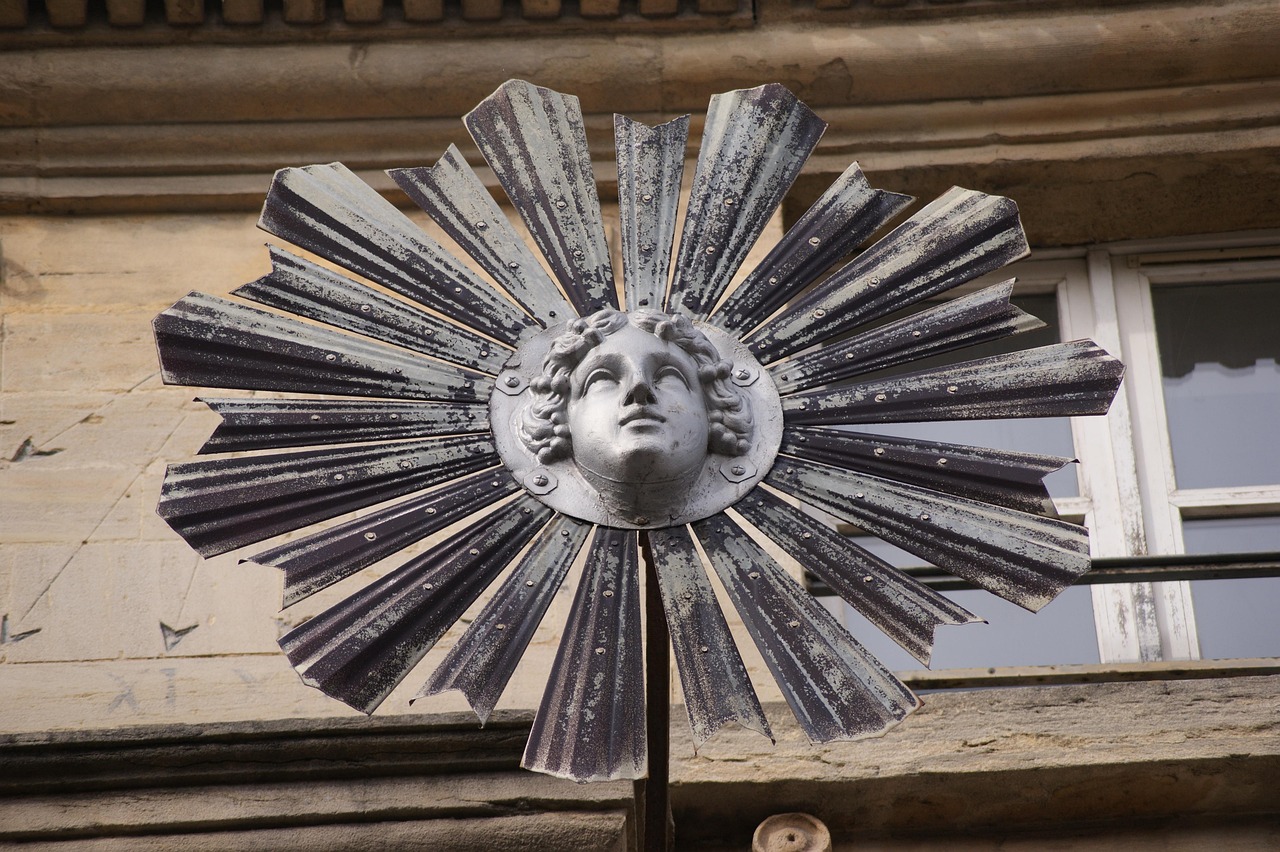
Wall sculpture in metal, wood and resin behaves quite differently once it is on a wall. Material determines weight, how it should be fixed, and how it ages in a room.
Metal: light for its appearance, or very heavy
Laser-cut sheet steel pieces are surprisingly light and hang on a standard hook. Cast or welded pieces are not, and a set of several can add up quickly. The stated weight per piece is the number to check, not the size.
Powder-coated finishes are durable indoors indefinitely. Untreated or lightly lacquered steel will mark in a bathroom or a kitchen where humidity is high.
Wood moves with humidity
Solid wood pieces expand and contract with the seasons. A piece mounted with two rigid fixings across the grain can split over a few years; most well-made pieces allow for this or are constructed from smaller elements.
Avoid hanging solid wood directly above a radiator or in a bathroom. Engineered and laminated wood is more stable and a better choice for those rooms.
Resin is light and brittle
Resin castings give fine detail at low weight, which is why so much decorative wall art uses it. It is also brittle – a knock that would dent metal will chip resin, and the chip is usually visible because the colour is a surface layer.
Handle by the body rather than by projecting elements, and hang where it will not be brushed past.
Woven and textile pieces
Macrame, jute and woven hangings weigh little and take up visual space, which makes them useful on a large wall where a heavy piece is impractical. They fade in direct sunlight and hold dust, both of which are manageable if planned for.
A dowel-hung piece distributes load across two points and hangs flatter than one hung from a single central hook.
Fixings by weight, not by appearance
Under two pounds, a hardened picture hook in plasterboard is fine. Two to fifteen pounds needs a proper hollow-wall anchor or a stud. Above that, a stud or masonry fixing, and preferably two fixing points.
Sets sold with adhesive strips are usually rated for the individual piece, not for the whole set on one strip. Read the rating per piece.
Multi-point hanging and levelling
Pieces with two keyhole slots are far more stable and much harder to hang, because both fixings must be exactly level and exactly the right distance apart. Making a cardboard template from the back of the piece solves it in one attempt.
For sculptural pieces with no fixed orientation, hang the heaviest element lowest.
Cleaning
Metal: dry microfibre, or a barely damp cloth followed by drying. Wood: dry cloth only, with occasional wax on oiled finishes. Resin: soft brush for detail, dry. Woven: vacuum on the lowest setting with a brush attachment.
Nothing here wants a household spray cleaner, which damages lacquers and raises the grain on wood.
Sunlight
Direct sun fades dyes in textiles, yellows some resins and lightens wood unevenly – which shows as a shadow line when a piece is later moved. On a south or west wall, rotate pieces occasionally or accept the change as part of the material.
Metal is the only one of these materials essentially unaffected.
Sets and how they are shipped
A set arrives as a set and should be checked complete on arrival, because individual elements are rarely available separately later. Lay everything out and count against the listing before hanging anything.
We list the material, the measured dimensions and the piece count for every set we carry, and the weight where the maker publishes it, because that is what decides which fixing the wall needs.
Material and fixing checklist
- Check the stated weight per piece, not the overall size
- Under 2 lbs: hardened picture hook is sufficient on plasterboard
- Two to fifteen pounds: hollow-wall anchor or a stud
- Heavier or multi-point pieces: stud or masonry fixing
- Make a cardboard template for two-keyhole mountings
- Keep solid wood away from radiators and bathrooms
- Handle resin by the body, not by projecting details
- Keep textiles out of direct sunlight
- Count set contents on arrival before hanging anything