

Blog
Caring for woven and macrame pieces so they last

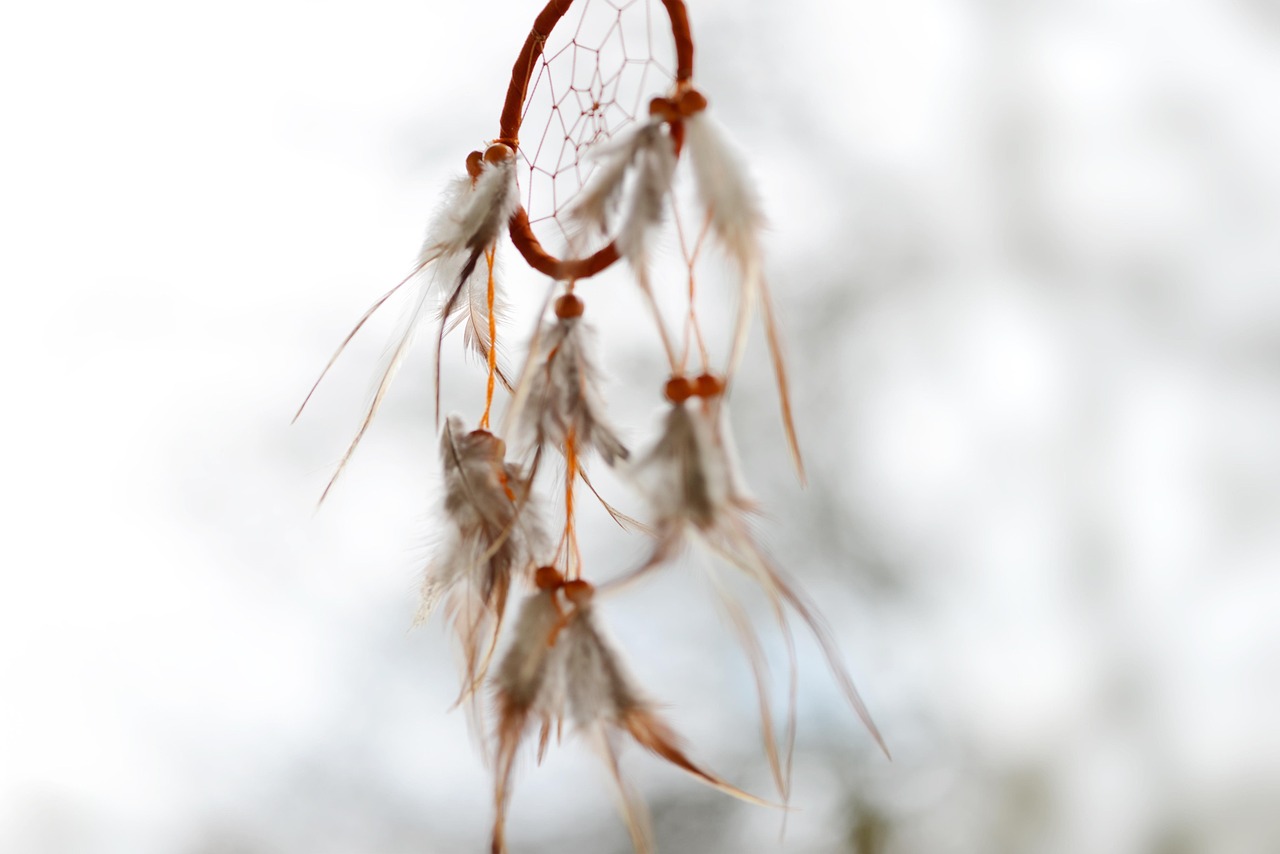
Woven and knotted wall pieces are made from natural fibre – cotton, jute, wool – and behave like textiles rather than like art objects. Almost all of their maintenance is about the three things that affect any textile.
Dust is cumulative and invisible
A knotted piece has enormous surface area and collects dust steadily. Left for years it greys, and the change is gradual enough that nobody notices until it is cleaned. A vacuum on its lowest setting with a soft brush attachment, once a month, prevents it entirely.
Work from the top down and support the piece with a hand so the vacuum does not pull on the knots.
Sunlight fades cotton faster than wool
Undyed cotton yellows slightly in sun, which many people find acceptable. Dyed cord fades unevenly, and the fade line where a piece overlaps itself becomes permanent. A north-facing wall or a position out of direct beam is the simplest protection.
Rotating a piece occasionally, or swapping two pieces between walls, evens out exposure.
Humidity and jute
Jute and other coarse fibres absorb moisture and can mildew in a bathroom or a poorly ventilated room. Cotton is more tolerant but not immune. If a piece must go in a damp room, ensure ventilation and check it periodically at the back where air does not move.
A piece that smells musty should be dried thoroughly in moving air rather than washed.
Washing, carefully or not at all
Most woven wall pieces should not be machine washed – the knots tighten unevenly and the piece distorts. Spot cleaning with cold water and a little mild detergent, blotted rather than rubbed, handles marks.
If a piece must be washed, do it by hand in cold water, lay it flat to dry on a towel, and reshape it while damp. It will take a day or more to dry fully.
Reshaping and steaming
Cord that has been folded in transit will hold a crease. A garment steamer held a few inches away relaxes the fibre and the piece hangs straight within an hour. Do not press with an iron, which flattens the texture that gives the piece its depth.
Combing fringes with a wide-toothed comb straightens them; doing it while slightly damp works better.
Hanging: spread the load
A macrame piece on a single central hook puts all its weight on one point of the dowel and eventually bows it. Two hooks, or a hanging cord looped over two points, keeps the dowel straight and the piece flat against the wall.
Wooden dowels can be swapped for a heavier one if a piece is large and the supplied dowel flexes.
Pets and children
Hanging cord is attractive to cats and to small hands. Mounting high enough to be out of reach is the practical answer; there is no way to make a knotted piece robust against being climbed.
A piece pulled loose usually fails at the dowel attachment rather than in the knots, which is repairable.
Storing between uses
Roll rather than fold, around a tube if possible, and store in a breathable cotton bag rather than plastic. Plastic traps moisture against the fibre, which is how a stored piece develops spots.
Keep the dowel with the piece; matching a replacement later is harder than it sounds.
What ageing looks like
Natural fibre softens and the colour warms. That is not deterioration and it is much of the appeal. What is deterioration is brittleness, breaking fibres and any powdery residue, all of which indicate sun damage or mildew.
We list fibre content, measured dimensions and dowel width on every woven piece we carry, so a piece can be hung properly and cared for as the textile it is.
Woven piece care checklist
- Vacuum monthly on the lowest setting with a brush attachment
- Keep out of direct sunlight, especially dyed cord
- Avoid unventilated bathrooms, particularly for jute
- Spot clean with cold water; do not machine wash
- Steam rather than iron to remove transit creases
- Comb fringes with a wide-toothed comb while slightly damp
- Hang from two points to keep the dowel straight
- Mount out of reach of cats and small children
- Store rolled, in cotton, never in plastic